In today’s fast-paced digital world, marketing is no longer about guesswork. Data, personalization, and automation drive decisions—and at the heart of this evolution are AI tools. But what exactly are they? How do they work, and why are they transforming the way businesses connect with customers?
If you’ve ever wondered “What are AI tools?” and how they fit into your marketing strategy, this blog will give you the clarity you need.
What Are AI Tools?
At its core, AI tools are software applications that leverage artificial intelligence to perform tasks that traditionally required human intelligence. These tools can analyze vast data sets, identify patterns, predict outcomes, and even create personalized content at scale—all in seconds.
In the context of digital marketing, AI tools are game-changers. They streamline marketing workflows, improve campaign performance, and deliver hyper-personalized experiences for your audience. From automating routine tasks to providing actionable insights, AI has turned marketing into a data-driven powerhouse.
Why Are AI Tools Important in Digital Marketing?
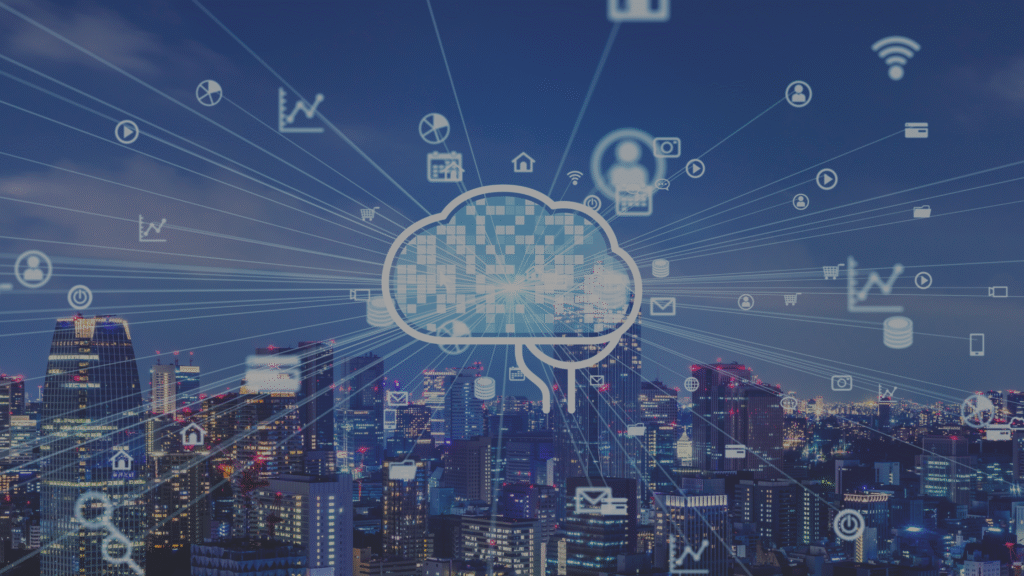
Marketing is no longer about broadcasting a message and hoping for the best. Your customers expect relevance, speed, and personalization. Here’s how AI tools make that possible:
- Data-Driven Decision Making
AI tools process millions of data points to reveal what your audience really wants. They go beyond vanity metrics and deliver actionable insights that fuel smarter campaigns.
- Personalized Customer Journeys
Whether it’s dynamic email content, predictive product recommendations, or automated chatbots, AI ensures your customers feel understood and valued.
- Cost Efficiency and Time Savings
Automating tasks like ad optimization, social media posting, and lead scoring saves time and reduces human error—freeing you to focus on strategy.
Examples of AI Tools in Action
While you will get a full AI tools list in the next blog, let’s talk about where AI tools shine in marketing:
- Content Generation: Tools like ChatGPT and copy.ai help marketers create blog posts, social media captions, and ad copy in minutes.
- SEO and Keyword Research: AI-driven platforms such as Clearscope and Surfer SEO help optimize content for better rankings.
- Ad Campaign Optimization: Platforms like Google Ads Smart Bidding use AI to predict the best bids for maximum ROI.
- Customer Support Automation: Chatbots powered by AI, such as Drift or Intercom, deliver 24/7 support.
- Predictive Analytics: Tools like HubSpot and Salesforce Einstein forecast trends and user behavior.
These aren’t just examples of AI tools—they’re proof that AI is reshaping every corner of marketing.
How AI Tools Are Changing Marketing Strategies
Think about your current marketing strategy. Chances are, it relies on historical data and manual analysis. AI changes that dynamic by introducing real-time adaptability. Here’s how:
- Hyper-Personalization at Scale
AI tools analyze individual user behavior, enabling you to send targeted offers or content to thousands of people—all uniquely tailored. - Smarter Budget Allocation
By predicting which campaigns will deliver the best ROI, AI helps allocate your budget more efficiently. - Voice and Visual Search Optimization
As voice assistants and image-based searches rise, AI-driven tools help optimize content for these formats. - Enhanced Customer Retention
AI predicts churn before it happens and suggests proactive retention strategies, keeping customers engaged.
Will AI Replace Marketers?
Here’s the truth: AI tools aren’t here to replace us—they’re here to empower us. While they handle data-heavy, repetitive tasks, your creativity and strategy remain irreplaceable. AI is a partner that helps marketers work smarter, not harder.
Getting Started with AI in Digital Marketing
If you’re new to AI, start small. Identify one area of your marketing funnel that could benefit most from automation or predictive insights—be it email marketing, SEO, or ads. Then integrate a trusted AI tool and track the results. The key is to experiment, analyze, and scale.
Final Thoughts
Understanding what AI tools are and how they influence digital marketing is no longer optional—it’s essential. The brands leveraging AI today are already outperforming competitors by delivering personalized, data-driven experiences that customers love.
If you’re a marketing professional or business owner, now is the time to embrace AI. The future of marketing isn’t coming—it’s already here. Are you ready to lead or lag behind?